Lorem Duis aute irure dolor1
Lorem ipsum dolor sit amet, consectetur adipiscing elit, sed do eiusmod tempor incididunt ut labore et dolore magna aliqua.
The Difference Between THC and CBD
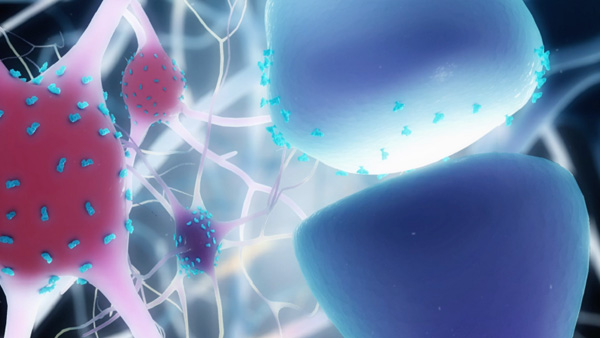
Learn more about how CBD and THC affect the endocrine system, and explore the mechanisms of action for cannabinoids.
-
 ECSNow Playing
 -
 THC
THC -
 CBD
CBD -
 COMPARE
 -
ECS
-
THC
The Phytocannabinoids Story
Out of more than 100 compounds in the cannabis plant, phytocannabinoids, such as THC, CBD, and cannabinol (CBN), were the first ones to be identified and isolated.1,2
Then in 1988, while scientists were investigating how THC exerted its effects, the
endocannabinoid system was discovered within the human body.2
This led to the exploration of how cannabinoids, including both the plant molecules and synthetic versions developed in laboratories that mimic their effects, might be used for therapeutic purposes.
Differentiating Phytocannabinoids
CBD

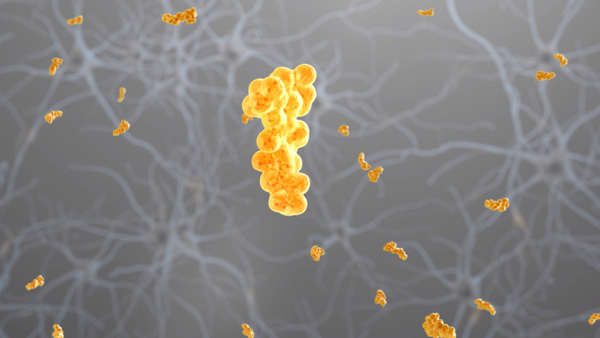
Cannabidiol (CBD), the by-product of heating CBDA, is one of the major cannabinoids derived or synthesized from cannabis.2,3
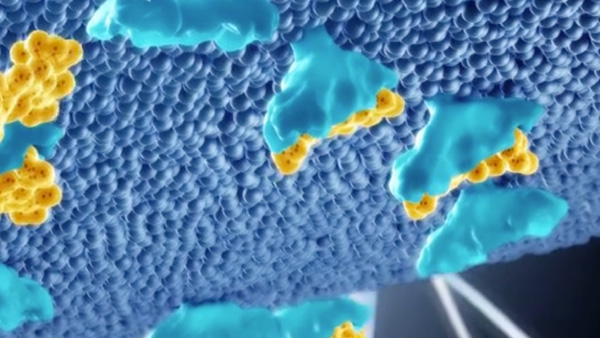
CBD has very low affinity for cannabinoid receptor CB1 and so is lacking euphoric side effects.4
It is under investigation because of its anticonvulsant properties as a potential treatment for schizophrenia, as well as other conditions.5-6
Epidiolex® is a specific formulation approved for specific epilepsies.7
CBDV

Cannabidivarin (CBDV), a lesser-known cannabinoid, is produced from cannabidivaric acid (CBVA).
Studies have been done in rodent models of epilepsy and autism spectrum disorder.7,8
It is under investigation for potential anticonvulsant properties.
No clinical data are available.
CBDA
Cannabidiolic acid (CBDA) is how CBD naturally occurs in the plant.
Testing of CBDA in rodent and rodent-like models illustrates that CBDA works on the serotonin receptor (specifically 5-HT1A) to prevent vomiting and suppress nausea and anxiety.9
THC

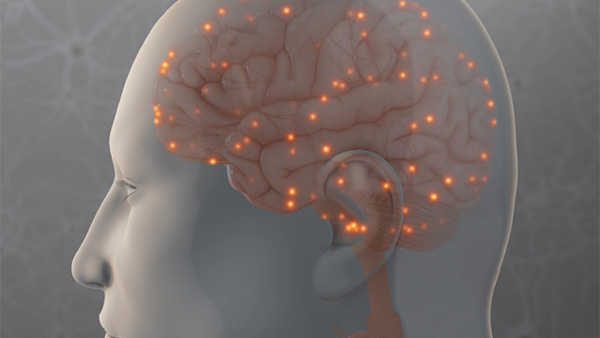
Tetrahydrocannabinol (THC), most commonly in its delta-9 form, is the by-product of heating THCA.1,2
It is a major cannabinoid that may be derived from cannabis or synthesized.2
It is primarily responsible for marijuana’s psychotropic properties.2
Recreational and therapeutic uses: FDA-approved synthetic and analogue products, such as Marinol® and Syndros®, are indicated for nausea and vomiting related to chemotherapy and anorexia associated with AIDS.6,7
THCA

Tetrahydrocannabinolic acid A (how THC naturally occurs in the cannabis plant).
Limited study in rodents in nausea.10
Not currently under investigation.
THCV

Tetrahydrocannabivarin, a lesser-known cannabinoid, is produced from tetrahydrocannabidivaric acid (THCVA).
Studies have been conducted in rodent models of both Parkinson’s disease and insulin sensitivity (a model of diabetes).11,12
It is under investigation for potential use in type 2 diabetes.13
FDA has approved 3 synthetic cannabinoids and 1 plant-derived cannabinoid.
Marinol and Syndros, tetrahydrocannabinol (THC) and THC analogues (synthetics) are indicated to treat,
- Anorexia associated with weight loss in adult patients with AIDS
- Nausea and vomiting associated with chemotheraphy in adult patients who failed conventional antimetics
EPIDIOLEX is a plant-derived cannabinoidiol that is indicatedd for the treatment of seizures associated with Lennox-Gastaut syndrome (LGS) or Dravet syndrome in patients 2 years of age and older.
Additionally a medication that combines 2 types of cannabinoids, THC and CBD, has been studied and approved for use outside the United States.
See what really matters when considering cannabis-based treatments.References
- 1. Friedman D, Devinsky O. Cannabinoids in the treatment of epilepsy. N Engl J Med. 2015;373(11):1048-1058.
- 2. Pertwee RG. Cannabinoid pharmacology: the first 66 years. Brit J Pharmacol. 2006;147(suppl 1):S163-S171.
- 3. Taura F, Sirikantaramas S, Shoyama Y, et al. Cannabidiolic-acid synthase, the chemotype-determining enzyme in the fiber-type Cannabis sativa. FEBS Lett. 2007;581(16):2929-2934.
- 4. Amada N, Yamasaki Y, Williams CM, Whalley BJ. Cannabidivarin (CBDV) suppresses pentylenetetrazole (PTZ)-induced increases in epilepsy-related gene expression. Peer J. 2013;1:e214.
- 5. Devinsky O, Cross JH, Laux L, et al. Trial of cannabidiol for drug-resistant seizures in the Dravet syndrome. N Engl J Med. 2017;376(21):2011-2020.
- 6. Devinsky O, Marsh E, Friedman D, et al. Cannabidiol in patients with treatment-resistant epilepsy: an open-label interventional trial. Lancet Neurol. 2016;15(3):270-278.
- 7. EPIDIOLEX [package insert]. Carlsbad, CA: Greenwich Biosciences, Inc.; 2018.
- 8. National Conference of State Legislatures. State medical marijuana laws. http://www.ncsl.org/research/health/state-medical-marijuana-laws.aspx. Published July 2, 2019. Accessed August 20, 2019.
- 9. The health effects of cannabis and cannabinoids: the current state of evidence and recommendations for research (2017). http://nap.edu/24625. Accessed on August 20, 2019.
- 10. Patel A, Fee D, Brust JCM, et al. Position statement: use of medical marijuana for neurologic disorders. Am Acad Neurol. 2014:1-4.
- 11. Bonn-Miller MO, Loflin MJE, Thomas BF, et al. Labeling accuracy of cannabidiol extracts sold online. JAMA. 2017;318(17): 1708-1709.
- 12. H.R. 5485 – Hemp Farming Act of 2018. https://www.congress.gov/bill/115th-congress/house-bill/5485. Accessed August 20, 2019.
- 13. National Institute of Food and Agriculture. Industrial hemp. https://nifa.usda.gov/industrial-hemp. Accessed August 20, 2019.
- 14. United States Department of Agriculture. Agricultural Marketing Service. Hemp. https://www.ams.usda.gov/rules-regulations/farmbill-hemp. Accessed August 20, 2019.
- 15. United States Department of Agriculture. Agricultural Marketing Service. Subtitle G–hemp production. https://www.ams.usda.gov/sites/default/files/media/2018FarmBill.pdf. Accessed August 20, 2019.
- 16. Girdhar M, Sharma NR, Rehman H, et al. Comparative assessment for hyperaccumulatory and phytoremediation capability of three wild weeds. 3 Biotech. 2014;4(6):579-589.
- 17. Vandrey R, Raber JC, Raber ME, et al. Cannabinoid dose and label accuracy in edible medical cannabis products. JAMA. 2015;313(24):2491-2493.
- 18. U.S. Food and Drug Administration. Regulated products. https://www.fda.gov/industry/import-basics/regulated-products. Updated August 3, 2018. Accessed August 20, 2019.
- 19. U.S. Food and Drug Administration. The FDA’s drug review process: ensuring drugs are safe and effective. https://www.fda.gov/drugs/drug-information-consumers/fdas-drug-review-process-ensuring-drugs-are-safe-and-effective. Updated November 24,2017. Accessed August 20, 2019.
- 20. Marinol [package insert]. North Chicago, IL: AbbVie Inc; 2017.
- 21. Cesamet [package insert]. Somerset, NJ: Meda Pharmaceuticals Inc; 2015.
- 22. Syndros [package insert]. Chandler, AZ: Insys Therapeutics, Inc; 2016.
- 23. U.S. Food and Drug Administration. FDA regulation of cannabis and cannabis-derived products: questions and answers. https://www.fda.gov/news-events/public-health-focus/fda-regulation-cannabis-and-cannabis-derived-products-questions-and-answers#farmbill. Updated April 2, 2019. Accessed August 20, 2019.
- 24. United States Drug Enforcement Administration. DEA speeds up application process for research on Schedule I drugs. https://www.dea.gov/press-releases/2018/01/18/dea-speeds-application-process-research-schedule-i-drugs. Published January 18, 2018. Accessed August 20, 2019.
- 25. U.S. Food and Drug Administration. Marijuana research with human subjects. https://www.fda.gov/news-events/public-health-focus/marijuana-research-human-subjects. Updated April 2, 2019. Accessed August 20, 2019.
- 26. U.S. Food and Drug Administration. Warning letters and test results for cannabidiol-related products. https://www.fda.gov/news-events/public-health-focus/warning-letters-and-test-results-cannabidiol-related-products. Updated July 24, 2019. Accessed August 20, 2019.
- 27. SATIVEX [product monograph]. Mississauga, Ontario: Bayer Inc; 2015.
- 28. Iannotti FA, Hill CL, Leo A, et al. Nonpsychotropic plant cannabinoids, cannabidivarin (CBDV) and cannabidiol (CBD), activate and desensitize transient receptor potential vanilloid 1 (TRPV1) channels in vitro: potential for the treatment of neuronal hyperexcitability. ACS Chem Neurosci. 2014;5(11):1131-1141.
- 29. Zamberletti E, Gabaglio M, Woolley-Roberts M, et al. Cannabidivarin treatment ameliorates autism-like behaviors and restores hippocampal endocannabinoid system and glia alterations induced by prenatal valproic acid exposure in rats. Front Cell Neurosci. 2019;13(367):1-15.
- 30. Bolognini D, Rock EM, Cluny NL, et al. Cannabidiolic acid prevents vomiting in Suncus murinus and nausea-induced behaviour in rats by enhancing 5-HT1A receptor activation. Brit J Pharmacol. 2013;168:1456-1470.
- 31. Rock EM, Kopstick RL, Limebeer CL, Parker LA. Tetrahydrocannabinolic acid reduces nausea-induced conditioned gaping in rats and vomiting in Suncus murinus. Brit J Pharmacol. 2013;170:641-648.
- 32. García C, Palomo-Garo C, García-Arencibia M, Ramos JA, Pertwee RG, Fernández-Ruiz J. Symptom-relieving and neuroprotective effects of the phytocannabinoid ∆9-THCV in animal models of Parkinson’s disease. Brit J Pharmacol. 2011;163:1495-1506.
- 33. Wargent ET, Zaibi MS, Silvestri C, et al. The cannabinoid ∆9-tetrahydrocannabivarin (THCV) ameliorates insulin sensitivity in two mouse models of obesity. Nutr Diabetes. 2013;3:e68.
- 34. Jadoon KA, Ratcliffe SH, Barrett DA, et al. Efficacy and safety of cannabidiol and tetrahydrocannabivarin on glycemic and lipid parameters in patients with type 2 diabetes: a randomized, double-blind, placebo-controlled, parallel group pilot study. Diabetes Care. 2016;39(10):1777-1786.
- 35. U.S. Food and Drug Administration. What We Do. https://www.fda.gov/about-fda/what-we-do. Accessed on August 20, 2019.
- 36. United States Drug Enforcement Administration. Drug Scheduling. https://www.dea.gov/drug-scheduling. March 2018. Accessed on August 20, 2019.
- 37. Brakouloias V. Products containing synthetic cannabinoids and psychosis. Aust N Z J Psychiatry. 2012;46(3):281-282.
- 38. European Monitoring Centre for Drugs and Drug Addiction. European Drug Report. Trends and Developments. May 2016. http://www.emcdda.europa.eu/publications/edr/trends-developments/2016_en. Accessed on August 20, 2019.
- 39. Jikomes N, Zoorob M. The cannabinoid content of legal cannabis in Washington State varies systematically across testing facilities and popular consumer products. Scientific Reports. 2018;8:4519.